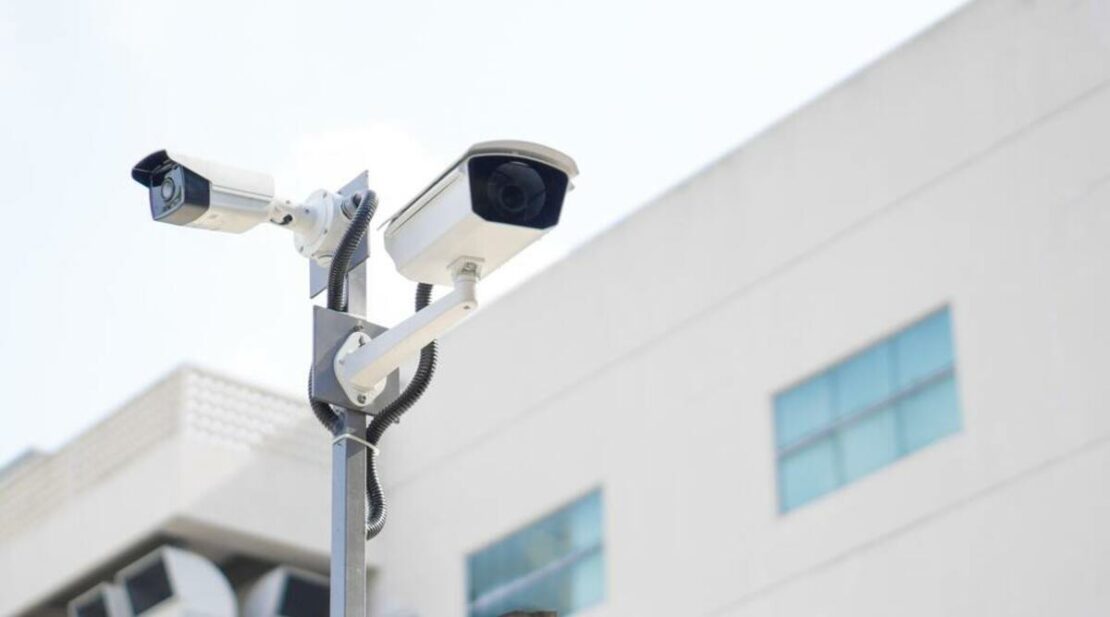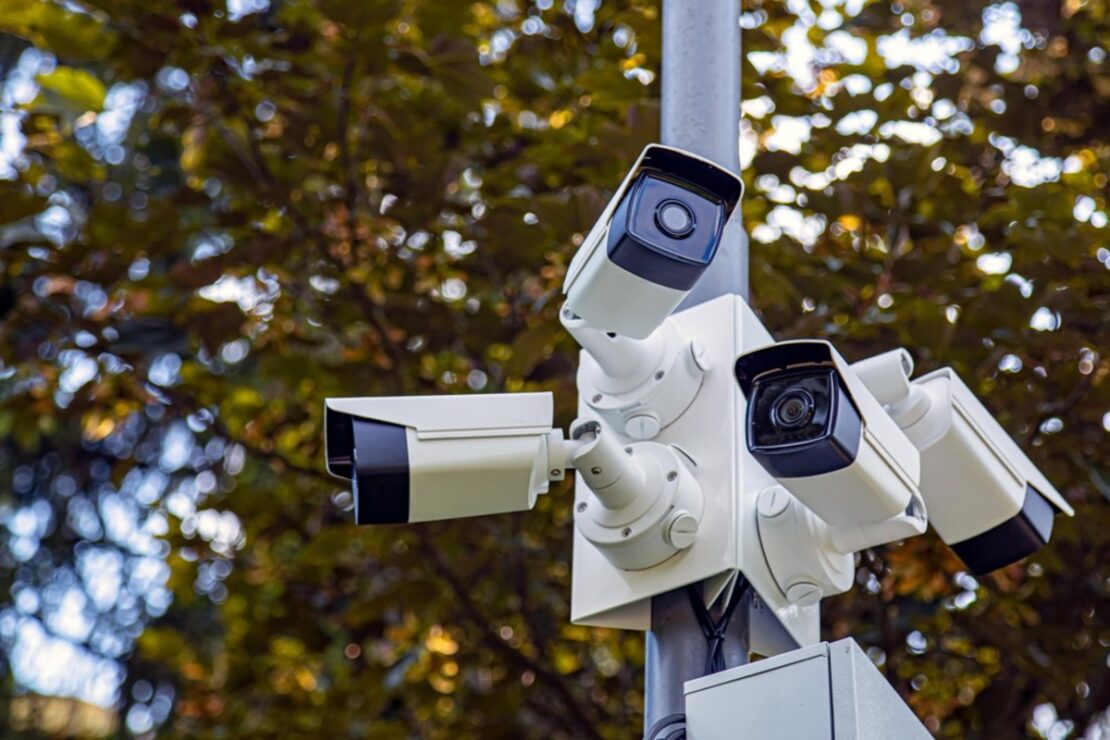
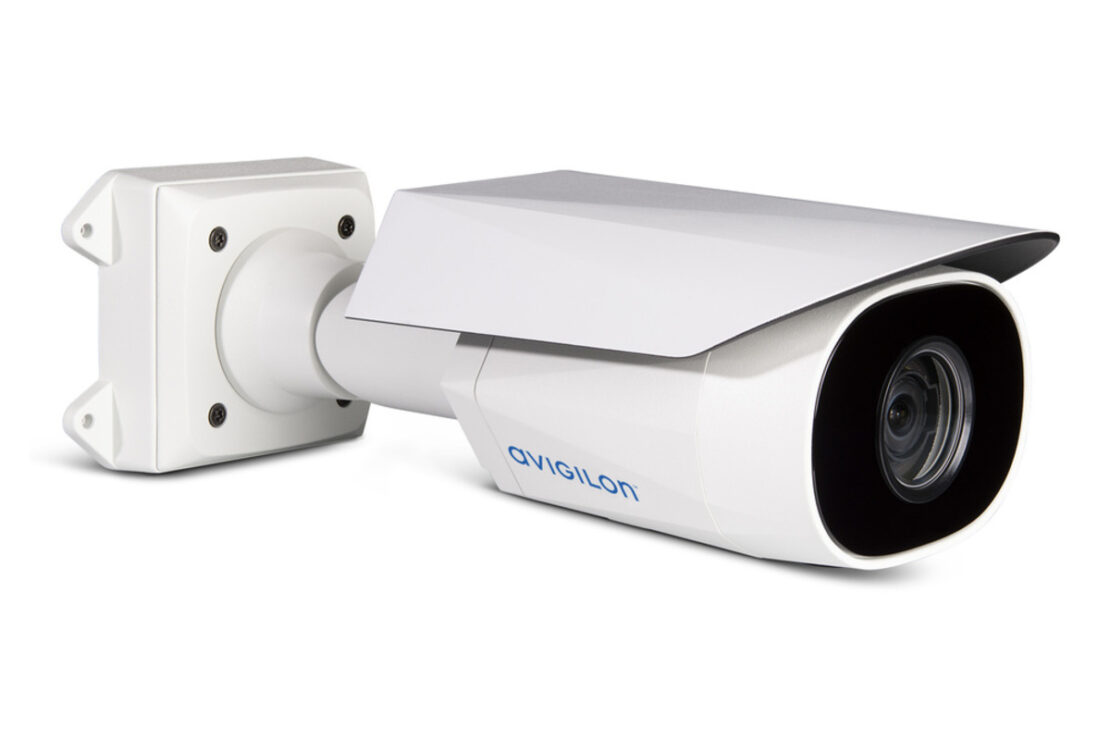
In this short article, we discuss five of the key benefits and advantages of IP CCTV systems. IP CCTV systems are fast becoming more and more popular among businesses, compared to traditional analogue systems.
At Safeguard Systems, where possible, we recommend IP CCTV cameras over their analogue counterparts. Aside from future-proofing a business’s CCTV systems, there are so many reasons IP and network surveillance cameras are the right choices.
Key article takeaways (TL;DR)
- IP CCTV systems offer superior image quality compared to older analogue systems.
- These systems support remote access, allowing live viewing from anywhere via phone or desktop.
- IP cameras are scalable and easy to integrate into existing networks.
- Footage can be stored on-site, in the cloud, or on a hybrid system.
- Features like motion detection, audio recording, and smart analytics enhance performance.
Table of contents
- What is IP CCTV?
- Why Invest in Commercial CCTV Systems for Your Business?
- What Are the Benefits & Advantages of IP CCTV Systems?
- 1. Camera Resolution
- 2. Analytics and Integrations
- 3. Security
- 4. Ease of Installation (Less Cabling)
- 5. Coverage
- Looking For an IP CCTV System For Your Business?
- Frequently asked questions
What is IP CCTV?
Before we get started, here is a quick overview of IP CCTV for any non-technical readers.
IP CCTV stands for Internet Protocol Closed Circuit Television. Furthermore, it is also referred to as network or Power-Over-Ethernet (POE) CCTV. IP cameras are digital devices that capture and transmit video footage over a network.
It offers several benefits over analogue systems, such as higher resolution and scalability – more on this later.
Why Invest in Commercial CCTV Systems for Your Business?
There are so many reasons to invest in commercial CCTV systems for your business. To offer a quick overview, here are the top five:
- Deterring criminals – thieves, vandals and fly-tippers
- Catching and prosecuting criminals
- Monitoring staff for timekeeping, attendance, and productivity
- Managing on-site security threats such as anti-social behaviour and theft
- Keeping staff safe
- Protecting the businesses property and assets
Businesses are exposed to a range of threats. Therefore, surveillance should be considered an investment. If you are budget-conscious and thinking about your options, read our article covering the reasons to avoid cheap CCTV systems.
What Are the Benefits & Advantages of IP CCTV Systems?
To summarise, the benefits and advantages of IP CCTV systems are:
- Improved resolution
- Advanced video analytics
- Security & encryption
- Ease of installation
- Coverage
Looking to learn more about CCTV? Here are a couple of links to articles we have published on our blog:
Let’s get started on this article covering the benefits and advantages of IP CCTV.
1. Camera Resolution
IP-based CCTV cameras can capture and transmit higher quality images than standard analogue systems. Furthermore, with IP cameras you can zoom in on your footage with greater clarity.
In context, this is highly valuable to a business, particularly when looking to identify an individual, specific characteristics, car number plates and more.
2. Analytics and Integrations
With the ongoing advancement of technology, IP CCTV systems can be integrated with various analytics systems to optimise system performance.
Your security camera systems can be set up to detect:
- Smoke
- Fire
- Movement of people
- Change in temperature
For example, if your security cameras are fitted with movement sensors, you will be alerted if the system detects a threat. As a result, your security team can view the footage in real-time. If a security threat is spotted, the relevant action is taken.
If your CCTV system is monitored remotely, your off-site security team will take charge of the situation.
3. Security
The majority of IP cameras come with built-in encryption. This helps to keep your data safer when it is transmitted and stored.
Cyber attacks are becoming more of a threat to businesses, month by month, year by year. Securing your data will help protect it from ending up in the wrong hands.
4. Ease of Installation (Less Cabling)
Where analogue cameras require two cables, one for the camera and one for power, IP CCTV systems only require one. IP security camera systems use Power Over Ethernet (PoE). This means the power source for the cameras is via the ethernet cable.
This simple setup also means these systems are easily scalable. When you add cameras to the network, power is driven from the nearest network switch and a new power source isn’t required.
Related IP CCTV case studies:
In the last section of this article, we look at how IP CCTV cameras provide better coverage.
5. Coverage
IP cameras contain multiple sensors. This means each camera can cover a wider area than traditional analogue CCTV systems. Where IP cameras are usually a little more expensive than their analogue counterparts, you probably won’t require as many.
Fewer cameras mean a reduction in the cost of hardware for the project.
Looking For an IP CCTV System For Your Business?
If you’re in the process of finding a new security system, pick up the phone and call us on 0800 689 1835.
Alternatively, if you are currently researching your options, head over to our Hikvision IP CCTV cameras page.
Frequently asked questions
An IP CCTV system uses digital cameras that transmit video over an internet protocol (IP) network. Unlike analogue systems, IP cameras can stream high-definition footage directly to a recorder, computer, or cloud platform for real-time or recorded viewing.
IP cameras typically offer higher resolution than analogue, with many supporting 1080p, 4K, or even greater. This results in sharper images, better zoom capabilities, and clearer identification of faces, licence plates, and other critical visual details.
Yes. One of the main benefits of IP systems is remote access. Users can view live or recorded footage securely via mobile apps or web browsers, allowing for flexible monitoring from anywhere with an internet connection.
Absolutely. IP systems are highly scalable—new cameras can be added with minimal disruption using existing network infrastructure. This flexibility makes them ideal for businesses expecting to expand or reconfigure their premises.
Footage can be stored locally on an NVR (network video recorder), in the cloud, or using a hybrid approach. Cloud storage enables off-site backup and remote access, reducing the risk of footage loss through theft or damage.
IP systems often include motion detection, line-crossing alerts, intrusion zones, facial recognition, and two-way audio. These intelligent analytics help reduce false alarms and enable proactive security management based on real-time activity.
IP systems may have a higher upfront cost, but they offer greater long-term value due to superior image quality, scalability, and advanced features. Over time, they reduce maintenance and upgrade costs compared to ageing analogue setups.