When discussing security requirements with potential new clients, we are often asked ‘how much does a CCTV system cost?’ This is understandable, as CCTV is an infrequent purchase. Therefore, most buyers are unlikely to have any insight into the cost of a good commercial CCTV installation.
A well-installed CCTV system is essential for businesses to protect assets, premises, and staff.
However, the cost of installing a system can significantly vary from business-to-business.
Therefore, there isn’t a generic answer to this question. In this guide, to how much it costs to install a security camera system, we’ll look at all considerations involved when reviewing a site and providing a quote.
Key article takeaways
- CCTV system costs vary depending on camera type, site size, and installation complexity.
- Basic small business systems may start from £3,000 – £5,000
- Larger commercial setups typically range between £15,000–£40,000+.
- Costs also depend on storage, analytics, remote access, and monitoring.
- Professional surveys ensure tailored quotes based on specific site needs.
Table of contents
- What are CCTV Systems?
- What are the benefits of CCTV security systems for businesses?
- How much will a CCTV installation cost your business?
- The cost of installing a good CCTV camera system
- Business CCTV system costs – wider factors to consider
- Summary: How much does a CCTV system cost?
- Frequently asked questions
What are CCTV Systems?
Before we get started looking at the factors that go into the cost of installing a CCTV system, if you’re new to this topic, here is a quick overview of what CCTV systems are and how they benefit businesses.
A CCTV system is a closed-circuit network of connected surveillance cameras. It is only accessible to select individuals through an independent and isolated network.
In summary, CCTV systems are deployed for the purpose of recording and monitoring footage in a defined area or areas of a site.
What are the benefits of CCTV security systems for businesses?
There are a whole host of benefits of having CCTV installed in a business. Below are a handful of examples:
- Detecting and deterring theft
- Maintaining operational continuity and maintaining revenue
- Protecting assets and premises
- Keeping staff safe
- Monitoring employee behaviour and productivity
- Health and safety
- Preventing terrorism
Looking to learn more? Read our detailed guide to the benefits of CCTV systems for businesses.
How much will a CCTV installation cost your business?
As the scale and complexity of commercial settings can differ from site to site, it’s difficult to say an exact figure on how much a commercial CCTV system costs in general terms.
Different requirements & bespoke pricing
Here’s a handful of examples showing how the cost of a new CCTV camera system varies depending upon your needs.
1. Costing a warehouse CCTV system
For example, a warehouse CCTV system may need 10 internal cameras, and 15 external cameras along with perimeter surveillance monitoring.
2. Solar farm CCTV cost considerations
Furthermore, a solar farm may require perimeter CCTV, multiple cameras monitoring solar panels, and a monthly fee for off-site monitoring.
3. Public sector sites often require higher camera volumes
A hospital or prison CCTV system would easily require over 100 cameras and may especially require complex integrations with IT infrastructure.
4. Complex CCTV systems cost more to install
Additionally, an airport would require state-of-the-art, high-end cameras, thermal imaging solutions, long-range PTZ cameras, and facial recognition systems.
5. Simple system, lower installation costs
Lastly, to add balance, an office requiring 5 internal and 7 external cameras would require a much easier installation.
Related reading: 14 reasons to invest in commercial CCTV for your business
The cost of installing a good CCTV camera system
In this section of our guide to how much a CCTV system installation costs, we focus on the factors that need consideration. They include:
- Hardware
- Camera volumes
- Camera type
- Camera brand
- Installation
- Camera location
- Monitoring
- Maintenance
Let’s take a look at each:
Hardware costs
The first consideration to be made when installing a CCTV system is the type of equipment you are purchasing. CCTV cameras with higher-tech components, such as anti-glare, illuminators, and facial recognition will most likely cost more than an entry-level camera.
However, a more advanced camera may be necessary for you to meet your security, and threat deterrent objectives. Therefore the extra investment would benefit in the long-term.
Additionally, the more cameras you need to provide coverage across a larger site will most likely need more cabling to connect them to a system, further increasing costs.
CCTV installation costs
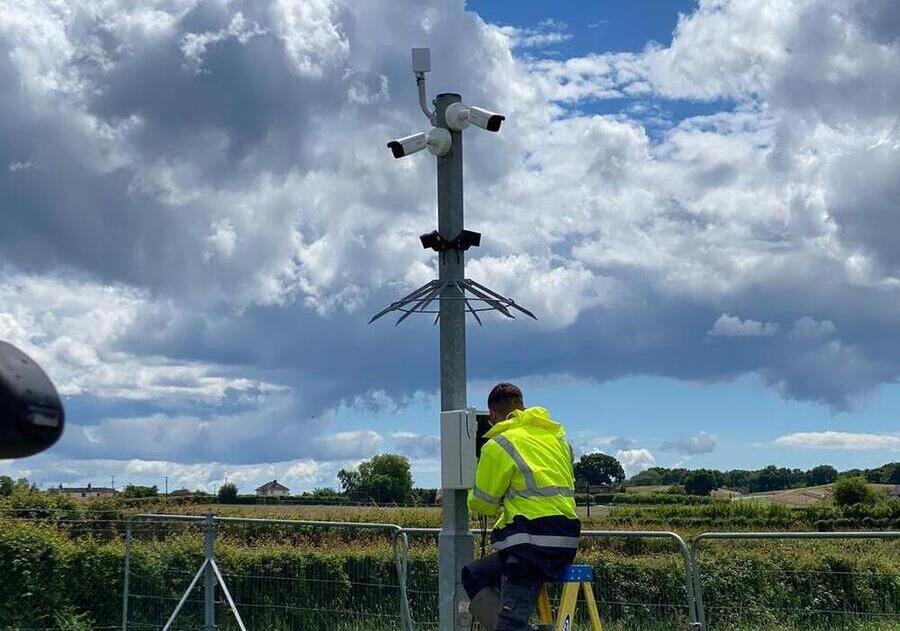
To ensure that the system you require is installed with quality and care, you will most likely need a professional commercial CCTV installation company.
While working with an experienced installer may come at an extra cost, it means every component will be installed properly and professionally to a high standard. This would result in the systems being fully operational, with a reduced risk of system outages.
Furthermore, this will mean you are less likely to have to spend more on replacing faulty equipment later on. That said, a professional CCTV installation company will offer a warranty for parts and labour.
Then there is the time factor. Larger, complex systems require more time to install. A one-day CCTV installation will invariably cost less than one requiring a full week to deliver the project.
Camera volumes
The number of cameras required for a CCTV system is a critical factor in determining the cost. Generally, the more surveillance cameras required, the higher the cost of the system.
The size and complexity of the site being monitored will also impact the number of cameras needed. For example, a small retail store may only require a few cameras to cover the sales floor, whereas a supermarket may need dozens of cameras to cover multiple internal and external. Areas.
A factory looking for all-round surveillance, and a perimeter CCTV system would need an extensive mix of dome, bullet, PTZ and thermal cameras.
Commercial premises requiring internal and external surveillance would need multiple cameras monitoring offices, communal areas and entrances. Furthermore, multiple CCTV cameras would be installed to cover external areas, along with ANPR cameras to manage site access.
Related reading: How many CCTV cameras do I need?
CCTV camera brand
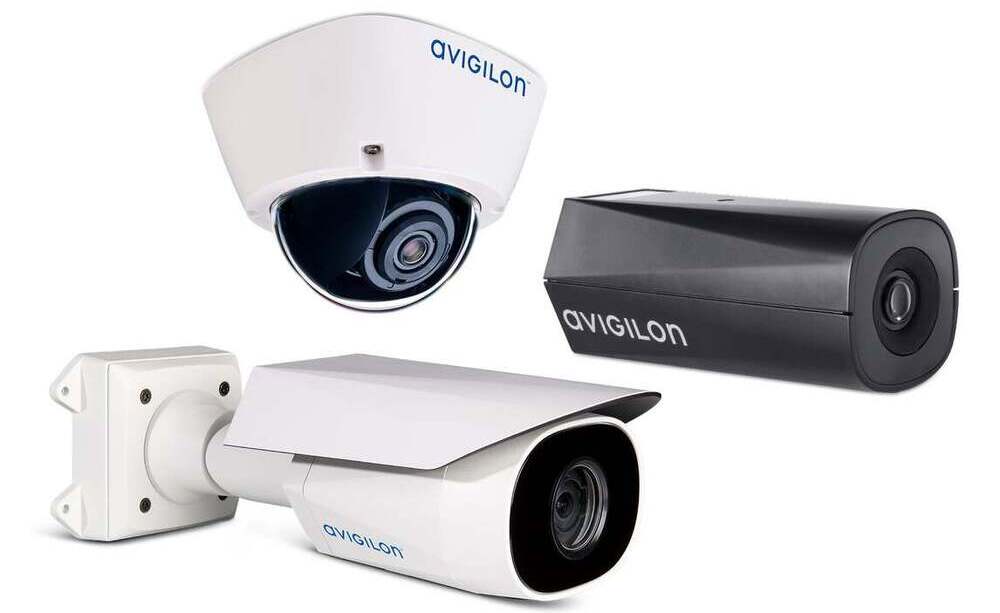
The brand of surveillance camera chosen can have a significant impact on the overall cost of the CCTV system.
Here are some brands we install, and some commentary on which type of business they are most suited to:
- Hikvision is a popular and affordable option for owner-managed businesses, providing a budget-friendly solution without compromising on quality
- Hanwha is a mid-market brand that offers an excellent balance of quality and affordability, making it a recommended choice for SMEs
- On the other hand, Avigilon is a premium-priced brand known for its advanced features and high-quality imaging, making it a popular choice for enterprise businesses that require the best possible performance
While Avigilon cameras are more expensive, they offer advanced capabilities such as facial recognition, license plate recognition, and advanced analytics, making them ideal for businesses with higher security needs.
That said, Hikvision offers an affordable suite of PTZ, thermal, facial recognition and AI-driven video analytics solutions. Therefore, budget conscious
Ultimately, the brand of CCTV camera chosen should be selected based on the needs and budget of the business.
CCTV camera types
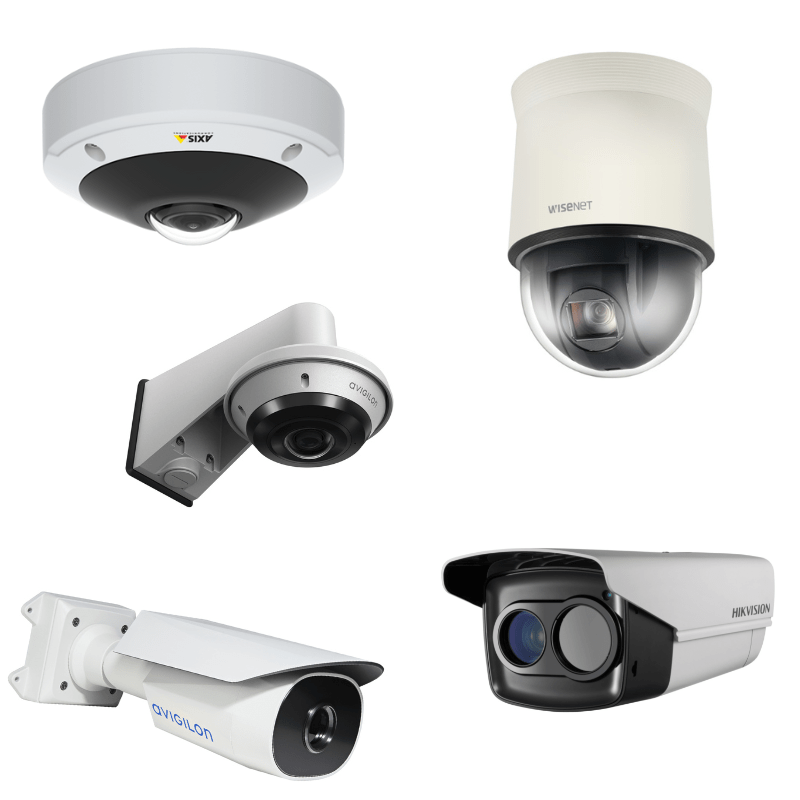
There are several types of CCTV cameras available, including:
- Dome
- Turret
- Thermal
- Fisheye
- Bullet
- PTZ
Dome cameras
Dome cameras are typically used for indoor and external surveillance and have a dome-shaped housing that makes them less noticeable.
Turret cameras
Turret cameras are similar to dome cameras but have a more compact design and are better suited for outdoor use.
Thermal cameras
Thermal cameras use heat signatures to detect movement and are often used in high-security settings. Furthermore, bullet surveillance cameras are designed for outdoor use and have a long, cylindrical shape.
Furthermore, thermal CCTV cameras coupled with video analytics are generally more expensive than standard night vision cameras due to the additional technology required to detect heat signatures and analyse data.
Fisheye cameras
Additionally, fisheye surveillance cameras use a specialized lens to provide a 180-degree panoramic view, making them ideal for monitoring large areas with fewer cameras.
Bullet cameras
Bullet CCTV cameras provide high-quality and crystal-clear surveillance footage, enabling the detection and prevention of various security threats both inside and outside commercial premises.
With their versatile features and benefits, bullet surveillance cameras are an ideal and effective surveillance solution for businesses in a diverse range of commercial settings.
PTZ cameras
Lastly, PTZ cameras, can pan, tilt, and zoom and are commonly used for monitoring large areas such as parking lots or stadiums.
When it comes to the cost of CCTV systems, the type of camera used can have a significant impact. PTZ cameras, which can pan, tilt, and zoom, are typically more expensive than standard bullet cameras due to their advanced features and capabilities.
Related reading:
- A guide to fisheye CCTV cameras
- Dome CCTV cameras: benefits, types & uses
- A guide to turret CCTV cameras
CCTV monitoring
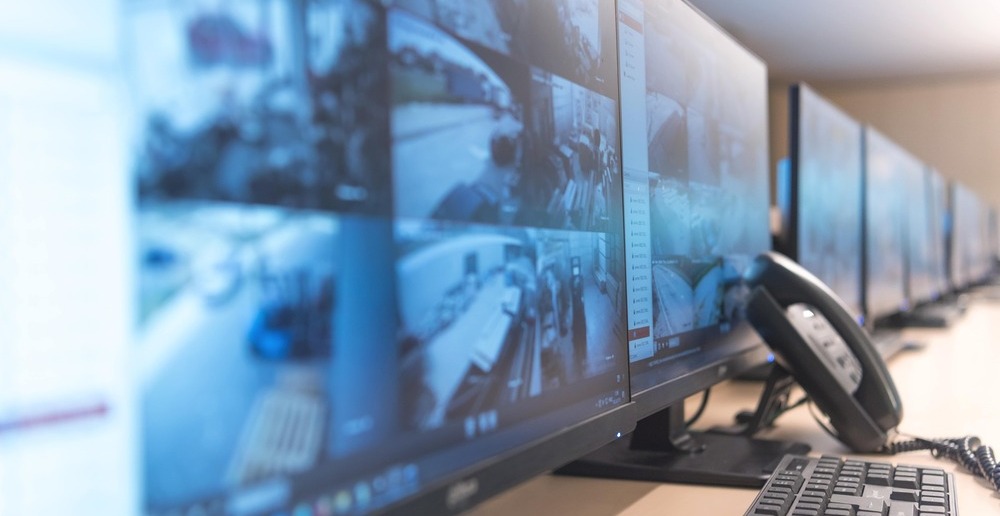
A monitored CCTV system means that a hired third party is constantly watching your security footage, with the intention of spotting any potential threats or criminal activity.
If anything of concern is spotted, they are able to intervene and action a response instantly. Of course, this comes at an extra cost, which you typically pay at a monthly rate to whoever you have hired.
A CCTV monitoring system is the perfect solution for businesses looking to reduce the cost of security whilst improving threat detection.
Maintenance
To ensure everything in your CCTV system remains in working order, scheduling regular maintenance is a service professional CCTV companies offer. You can enter a maintenance contract when purchasing your CCTV system, where you can pay either monthly or annually for an engineer to service your site.
Although there is a cost of CCTV maintenance, professional companies will offer favorable call-out times, and a premium all round service.
Camera location
The position or location of your cameras on the site may also impact installation costs.
If you require surveillance from a height or a discreet location, either indoors or outdoors, you will most likely be charged more by your CCTV installer.
This is a time and complexity based factor in determining how much a CCTV system costs. Furthermore, if your commercial CCTV company needs to hire plant machinery, like a cherry picker, this will increase the cost of a CCTV system.
Additionally, the geographical location of your site could impact the cost of a CCTV system. If your site is in Central London, a professional installer will likely charge a premium to cover parking charges.
If your site is in a remote location and you require a specialist, travel, hotel and other expenses may be added to your quote.
Business CCTV system costs – wider factors to consider
In the last section of this guide to how much a good business CCTV system costs, we look at some of the wider factors to consider.
Let’s look at each of these now.
What are key security objectives?
Security objectives vary based on the nature of the business and the risks associated with it. Common objectives include protecting people, property, and assets, preventing theft and vandalism, and deterring criminal activity.
Understanding your security objectives is crucial to determining the appropriate CCTV system for your business.
Using commercial burglary as an example, If your business would suffer significant operational or financial headaches as a result of a break-in, would you go for the cheapest system?
Would you cut costs on camera quality?
Do you know your budget?
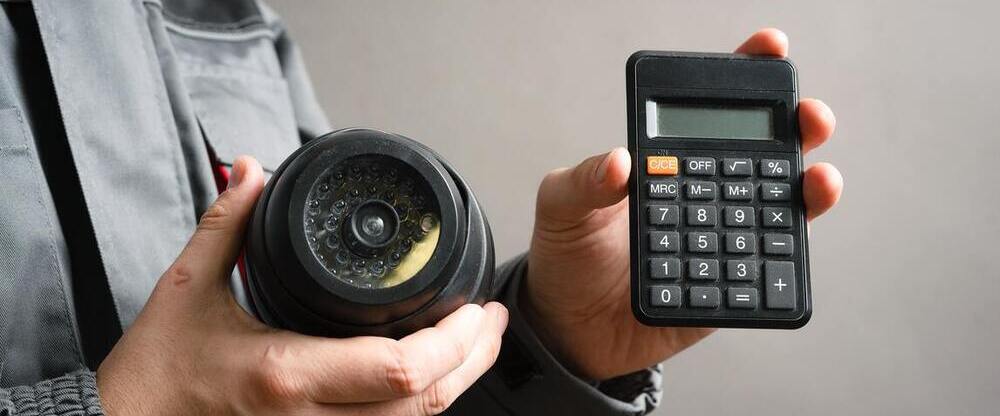
Budget is a critical consideration when investing in CCTV systems. The cost of a CCTV system depends on several factors, including the size of the site, the number of cameras required, and the complexity of the installation.
Determining your budget beforehand can help you narrow down your options and choose a system that meets your needs and fits within your budget.
Summary: How much does a CCTV system cost?
The cost of installing a CCTV system in a business is dependent on various factors.
Therefore, there isn’t a straightforward answer to how much a CCTV system costs.
The cost factors to consider when installing a CCTV system include hardware, camera volumes, camera type, camera brand, installation, camera location, monitoring, and maintenance.
Additionally, the size and complexity of the site, as well as the number of cameras required, also determine the cost of installing a CCTV system.
Looking for more articles covering CCTV?
If you are researching your options, follow Safeguard Systems on LinkedIn today. We regularly post articles, guides and insights on the topic of CCTV, surveillance and business security.
Frequently asked questions
For small offices, shops, or units, a basic CCTV system with 4–6 cameras typically costs between £1,500 and £3,000. This includes equipment, installation, and setup. Pricing increases with advanced features like motion alerts, remote access, and HD recording.
Key factors include the number of cameras, system type (IP vs. analogue), installation complexity, storage requirements, and whether remote monitoring or smart analytics are needed. Sites needing night vision or wide coverage may require higher-spec equipment, increasing cost.
Yes, IP systems usually cost more upfront due to higher-resolution cameras and more advanced features. However, they offer better scalability, remote access, and longer-term value, making them a more cost-effective choice for many commercial installations.
For warehouses, schools, or industrial sites, CCTV installations can range from £5,000 to £25,000+, depending on the number of entry points, coverage needed, and whether integration with alarms, access control, or remote monitoring is included.
Yes, if using a professional remote monitoring service, costs typically range from £50 to £200+ per month depending on site size and hours of coverage. This cost covers 24/7 monitoring, audio challenges, and emergency response.
Absolutely. A professional site survey is the best way to receive an accurate quote. It assesses layout, risk level, and specific requirements—ensuring the final system is both effective and appropriately priced for your business.
Potential hidden costs can include additional cabling, power supply units, network upgrades, or maintenance contracts. Always ask for an itemised quote and check whether software licences or cloud storage fees apply over time.